Is shared van the cheapest way to do the route?
It is the lower published transport option for someone buying one seat. Compare the complete quote, including your document costs, rather than assuming the advertised seat fare pays for everything.


A shared van gives you a seat on a Da Nang to Lao Bao run without paying for the whole vehicle. It suits a traveler whose documents and travel date fit the group's plan, and who can leave the day open for the return journey.
The saving comes with shared decisions about departure, pickup order and stops. Your own border formalities may finish before someone else's. Before reserving, decide whether that uncertainty is acceptable for your day, especially if you have work, childcare or onward travel waiting in Da Nang.
Shared transport can use Kia Sedona vans or larger 16-seat vehicles, depending on passenger numbers and scheduling. These photographs show examples, not a promise of a particular vehicle. Confirm the vehicle arrangement, available luggage space and any seating needs before booking. Tell the desk about a large suitcase or equipment rather than assuming every seat comes with unlimited storage.
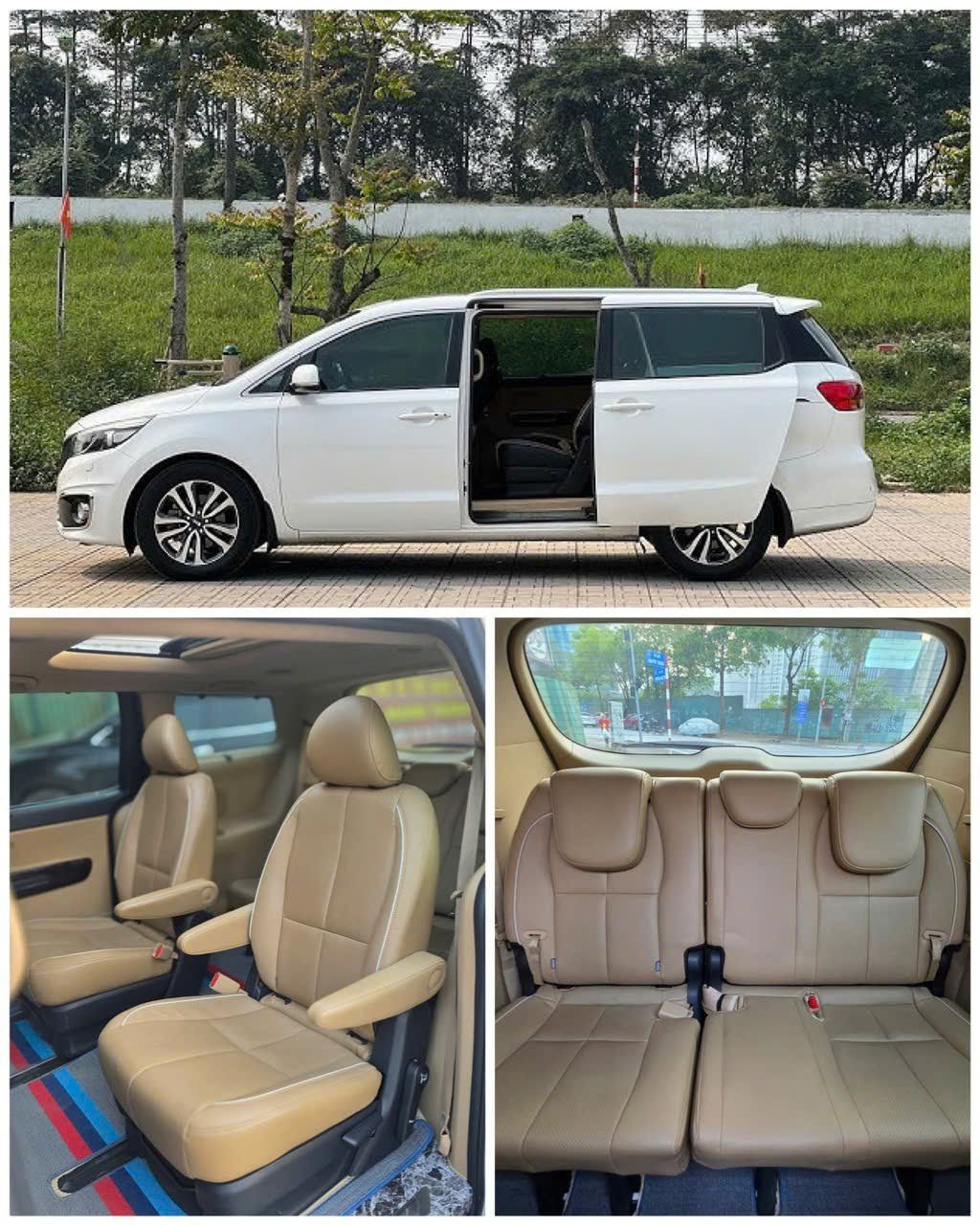
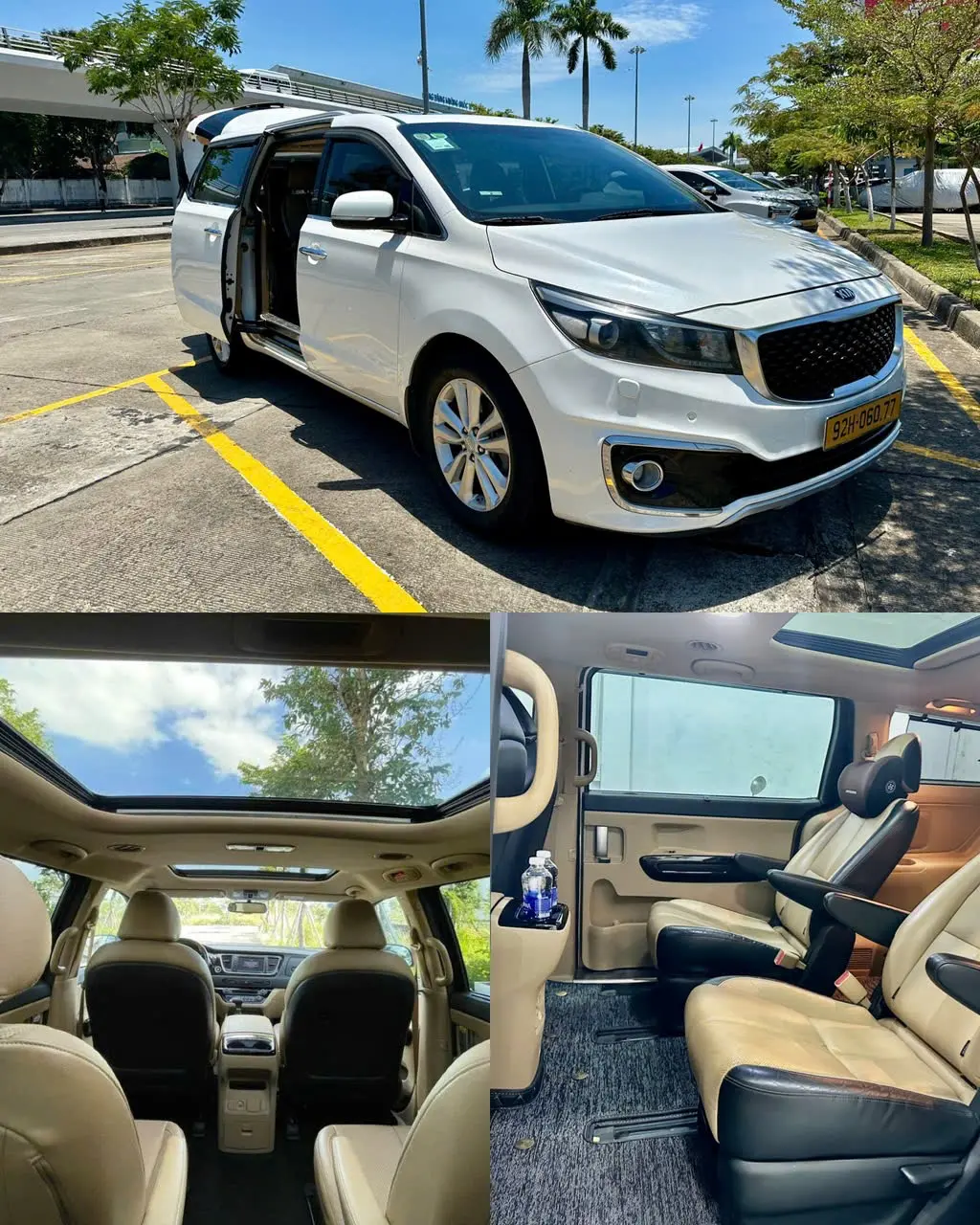
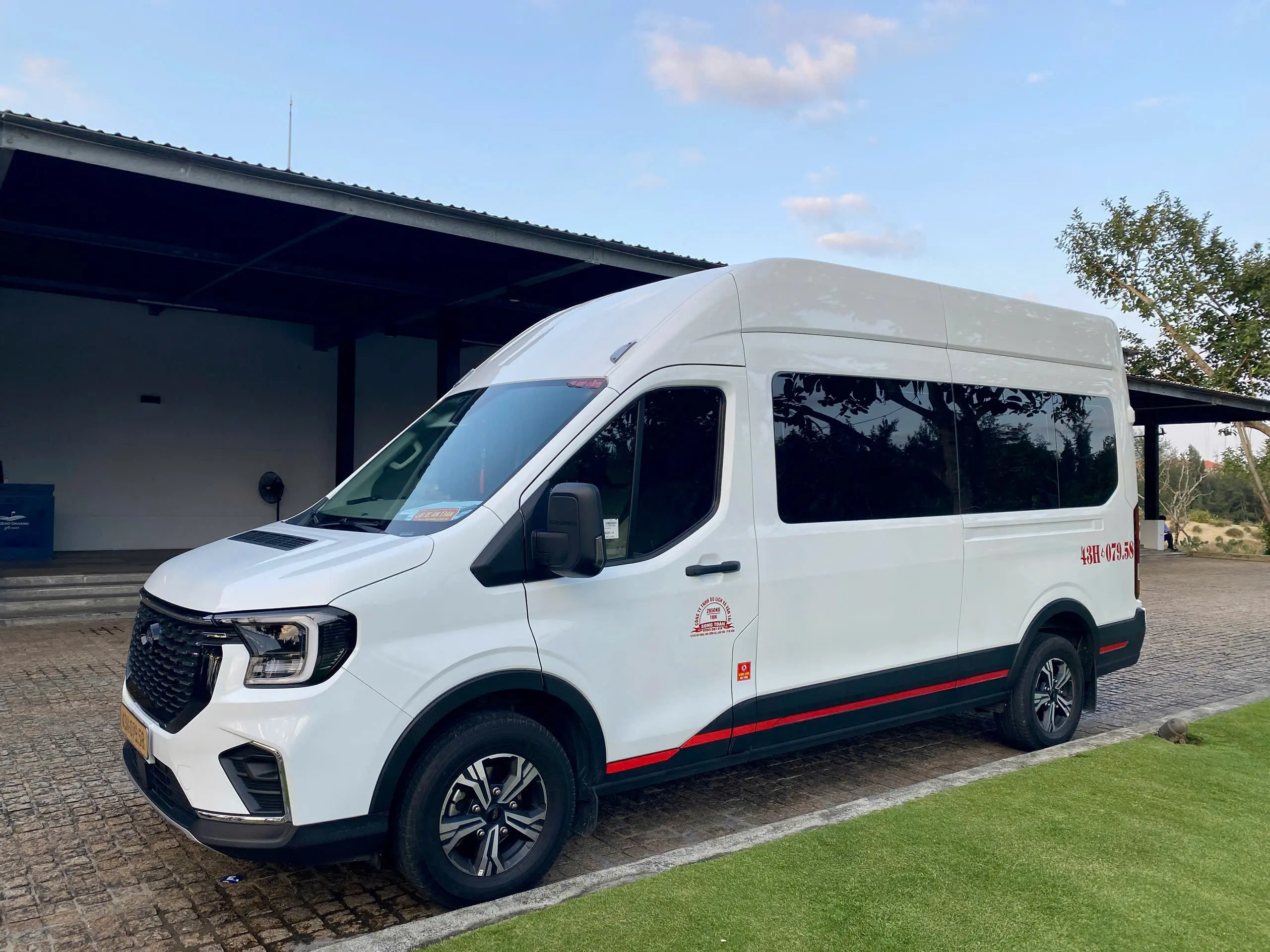
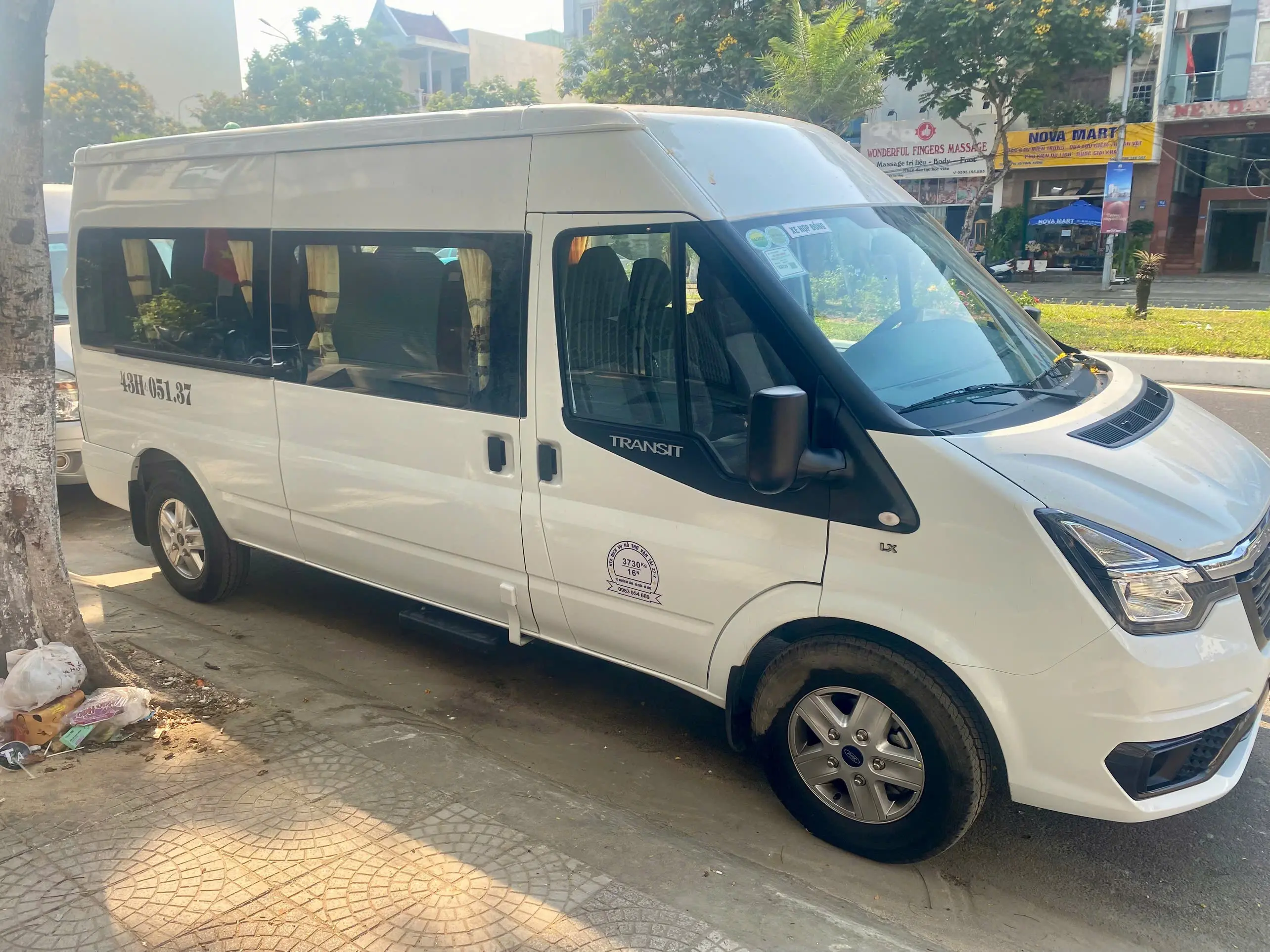
For a solo traveler with a straightforward case, a shared seat can be a sensible way to control the transport budget. You do not need to organise other passengers or divide a vehicle bill yourself. Backpackers and travelers with flexible plans often value that simplicity more than choosing every stop.
A low fare is less useful if the group schedule conflicts with a deadline you cannot move. Explain that conflict before paying, so the desk can assess whether the shared departure actually fits.
The van follows a coordinated pickup and departure plan. Your collection time depends on that plan, not simply on when you would prefer to leave. Confirm whether collection is at your accommodation or an agreed meeting point, and be ready with your bags and passport before the vehicle arrives.
Rest stops must work for the vehicle as a whole. Tell the desk beforehand if you need frequent breaks, have difficulty with prolonged sitting or are traveling with a child who needs particular arrangements. Those needs may be manageable, but they should be assessed before a seat is confirmed.
Keep the return evening flexible. The published route estimate is usually 10 to 12 hours overall, but it is not a guaranteed arrival time. A shared vehicle cannot promise your personal timetable independently of the other passengers, traffic and border conditions.
The published transport range is around 1,000,000 VND to 1,200,000 VND per seat, before visa-related fees. Confirm the return journey and agreed pickup and drop-off in your booking. A seat price should not be treated as the full cost of the visa run.
Vietnam application charges, Laos entry costs where applicable and any separately quoted assistance belong to your individual case. Meals and personal spending also need a budget. Ask for the payment schedule, cancellation terms and any charge for a changed journey before reserving; unspecified amounts are confirmed at booking.
A late pickup can move the whole departure back. A passenger delayed at a border counter can also affect when the group is ready to leave. The outcome depends on the agreed waiting policy and the time available that day. There is no published universal grace period to rely on.
Before booking, ask who decides whether the van waits, how passengers receive updates and what arrangements apply if one person cannot return with the group. Do not assume either that everyone will wait indefinitely or that a delayed traveler automatically receives a separate transfer. Any replacement transport and its cost need confirmation.
If you are the delayed passenger, contact the coordinator immediately with your location and the problem. If someone else is delayed, stay reachable and follow the agreed meeting instructions. Avoid leaving the meeting area without telling the coordinator, since an attempt to save your own time can create another delay for everyone.
Keep your passport, relevant approval, phone and payment money accessible rather than buried in luggage. Download useful documents and keep your phone charged so you can receive updates during the crossing. Carry what you personally need for the drive, while respecting the luggage space confirmed for your seat.
Complete document checks before departure. A spelling error discovered at a counter affects your own entry and may complicate the group's return. The coordinator needs to know if you are waiting for an approval, have changed passports or have a stay that has already expired. These are booking facts, not details to reveal after boarding.
It is the lower published transport option for someone buying one seat. Compare the complete quote, including your document costs, rather than assuming the advertised seat fare pays for everything.
Only if the confirmed group departure and your document plan fit the deadline. Paying for urgent application help does not make the van depart at your chosen time or remove another passenger's delay. Ask the desk to assess both parts together.
Your return follows the shared arrangement. Tell the coordinator when you finish and wait for the agreed departure instructions. An independent return is a different transport arrangement and must be discussed before you rely on it.
Consider a private vehicle if your party needs its own pickup, substantial luggage space or rest stops that would be difficult to fit around strangers. It also removes dependence on unrelated passengers being ready for the return. Those are practical reasons to pay more even when a shared seat is available.
Private transport still cannot control immigration queues or approval. If the uncertainty comes from your visa rather than the group schedule, resolve that issue first. Choose the shared van when its collective timing is workable, and reserve with a clear understanding of the late-passenger arrangements.
Last updated: 28 October 2026
