Can I simply extend the 90 days later?
Do not build that assumption into your plans. Who can extend in Vietnam and who cannot explains why the available route depends on your circumstances. Review your options before the approved stay ends.


A Vietnam e-visa can be issued for up to 90 days, with single or multiple entries. For a runner leaving Da Nang through Lao Bao, the important task is to obtain an approval that fits the intended return and later travel. The printed dates, passport details and entry type matter more than the name of the package you book.
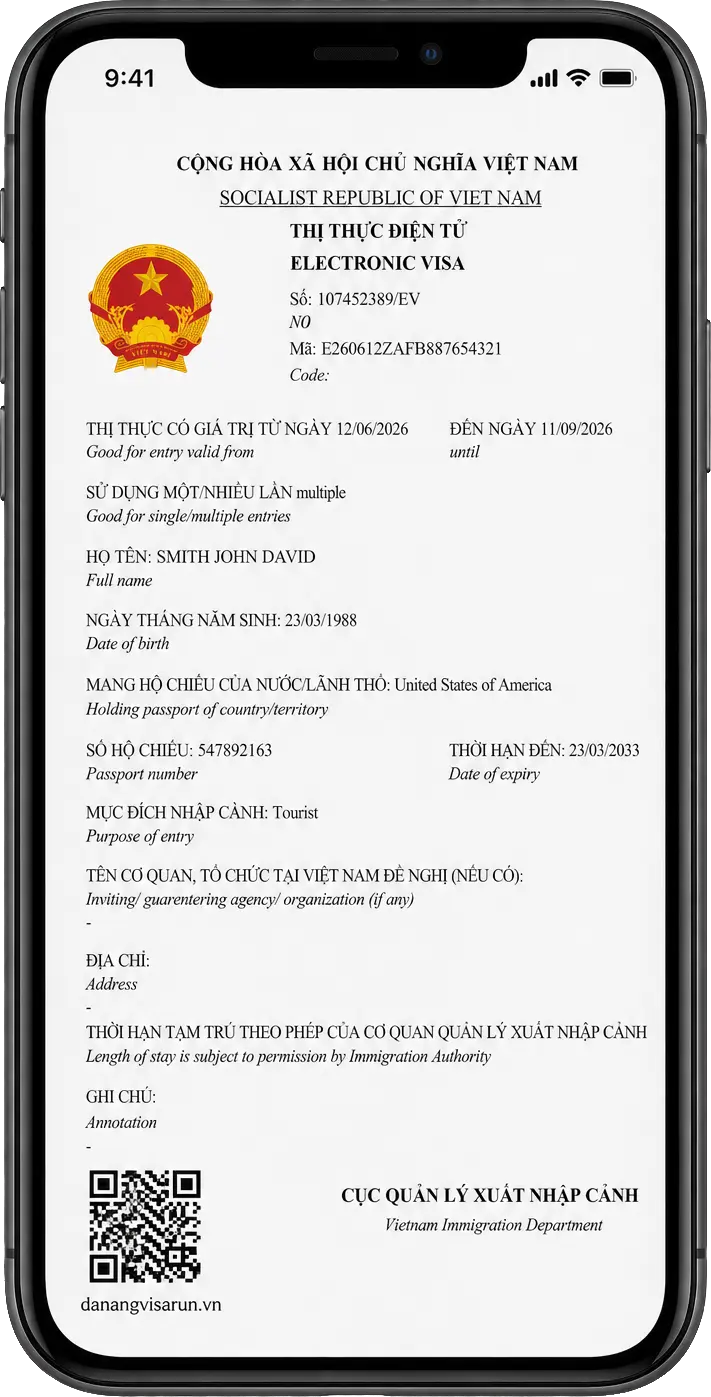
The e-visa is an electronic entry document issued by Vietnam's immigration authorities. The official e-visa portal describes a maximum validity of 90 days and the choice of single or multiple entries. An application receipt, payment confirmation or service booking is not the issued document.
Read the approved start and end dates when the result arrives. Requesting the longer option does not make every approval last for a fresh 90 days from whatever day you eventually cross. If travel changes, check whether the issued dates still cover the visit you actually intend to make.
A 30-day permission supports a shorter visit. A longer approved e-visa can reduce how soon you need another departure, which is useful when your travel plans extend across several weeks or cities. The border journey itself does not become a different route because you request a longer validity.
First identify what your current 30-day entry actually is. A visa and a visa-exempt entry are different bases for admission, even if their permitted stays happen to be the same length. Send the current visa and entry stamp for review rather than asking the desk to infer your status from the number of days.
Duration and number of entries are also separate choices. Single entry suits a visit without a planned departure and return during that visa period. Multiple entry may fit travel outside Vietnam and back within the approved validity. Returning on a multiple-entry visa does not restart its end date. Neither choice should be treated as permission for activities outside the approved purpose of entry.
Your starting address is in Da Nang, but your return to Vietnam on this land route is at Lao Bao. When completing the planned entry-port information for this run, use Lao Bao. Da Nang airport describes a flight arrival, and Densavan is the Laos side of the crossing.
Lao Bao appears on the official list of crossings that accept Vietnam e-visas. The reason to specify it is to make your application and the organised journey consistent. Do not select a familiar airport simply because it was where you first entered Vietnam or where your hotel is located.
If an existing application or approval names another port, send the actual document to the desk before departure and have its use for this itinerary checked. Do not edit the approval PDF yourself or assume a driver can resolve a discrepancy at the counter. If you change from a land return to a flight, review the document plan again.
Prepare the passport details, portrait, intended validity and entry type before the trip. The official portal's individual application route is for foreigners outside Vietnam. Preparing a file while you are in Da Nang is therefore distinct from having an issued visa available for re-entry.
For the desk's arranged cases that require evidence of exit, send a clear image of the Vietnam exit stamp as soon as it is available. Keep the full stamped page readable and identify whose passport it belongs to when traveling as a group. The desk uses that evidence in the agreed processing steps.
If you already hold an approval, have it checked before buying another application service. If the result is still pending, the transport booking does not authorise your return. You must wait for a usable document or another confirmed lawful basis for entry before presenting for admission.
Your existing stay deadline governs when you need to leave Vietnam. The new approval's validity governs the planned return. Write both dates down and make sure the itinerary fits them; a request for a future visa does not extend the stay you already have.
The site describes fast cases of about four hours on weekdays, subject to confirmation. That is not a promise for every nationality or application. Weekend availability must be checked separately, and a departure time that works for transport may still leave insufficient room for processing.
Agree what happens if the approval is delayed beyond the day's workable return. You may need accommodation and changed transport while outside Vietnam. Keep funds and a contact method available for that possibility instead of assuming the advertised duration guarantees a same-day result.
After admission, check the entry record while you can still ask about a discrepancy. Keep the issued e-visa with your travel records so you can refer to the actual expiry date when arranging your next departure.
Do not build that assumption into your plans. Who can extend in Vietnam and who cannot explains why the available route depends on your circumstances. Review your options before the approved stay ends.
No. It concerns Vietnam. Your permission to enter Laos and the documents needed there must be checked separately for the crossing.
That is the planned outcome for suitable, prepared cases. It depends on approval, border conditions and the available return window. Correct paperwork improves the plan but does not guarantee the result.
Last updated: 28 October 2026
