Do I need to enter Laos during the visa run?
That depends on your nationality and the route handling for your case. Some travelers complete a straightforward border loop, while others need Laos visa on arrival.


Lao Bao border route
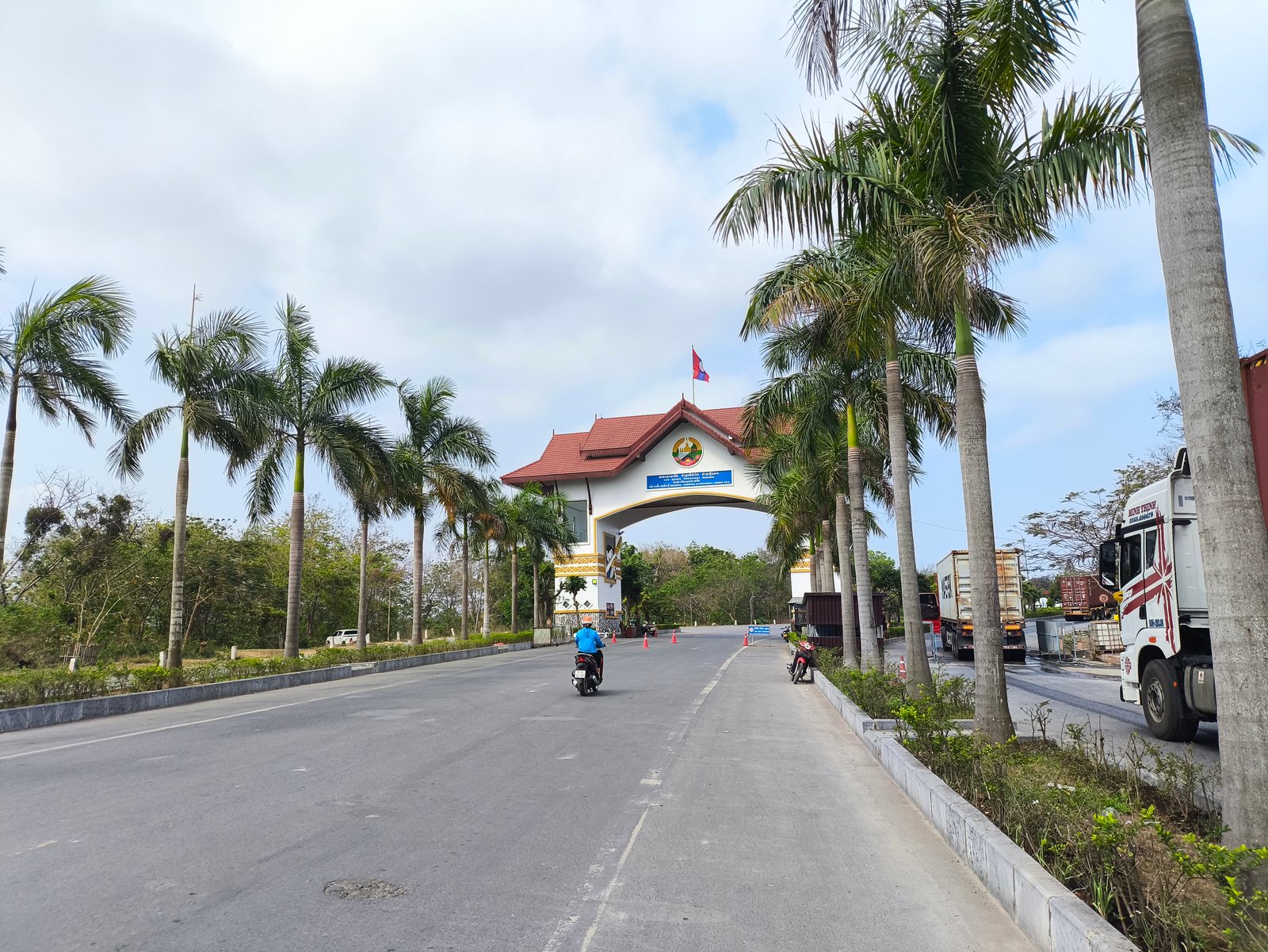
Lao Bao is the main land border used for visa runs from Da Nang and much of Central Vietnam. This page focuses on what actually happens at the border so travelers know the sequence, where delays happen, and why the exit stamp is so important.
For travelers starting in Da Nang, Lao Bao is usually the most practical border run route because it serves Central Vietnam better than the southern border options. It is a long drive, but it is the standard choice when the goal is to leave Vietnam, handle the visa process, and return on the same day.
This page is not a travel blog. It is an operations page. The useful questions are: when do you arrive, what do you show, when do you send the stamp, do you need Laos entry permission, and how fast can you come back into Vietnam.
The Lao Bao crossing involves the Vietnam side first and the Laos side second. You leave Vietnam, receive the exit stamp, then handle the Laos side according to your nationality and your border-run arrangement. After the new Vietnam visa is ready, you return to the Vietnam checkpoint for re-entry.
Keep your passport, phone, and any visa-related messages ready before you step into the immigration area. This reduces confusion at the counters.
Go through Vietnam immigration and wait for the passport to receive the exit stamp. Check the stamp is visible and readable before walking away.
Do not delay this step. A blurred photo, a late photo, or a missing photo can push back the visa process and delay the whole return schedule.
Some travelers need a Laos visa on arrival and some do not. This depends on nationality. If there is any doubt, confirm it before the trip rather than trying to solve it at the border.
There are usually small shops or simple waiting points near the crossing. The main variable here is visa timing, not the physical crossing itself.
Once the new visa is ready, return to the Vietnam immigration side, present the required documents, and complete legal re-entry.
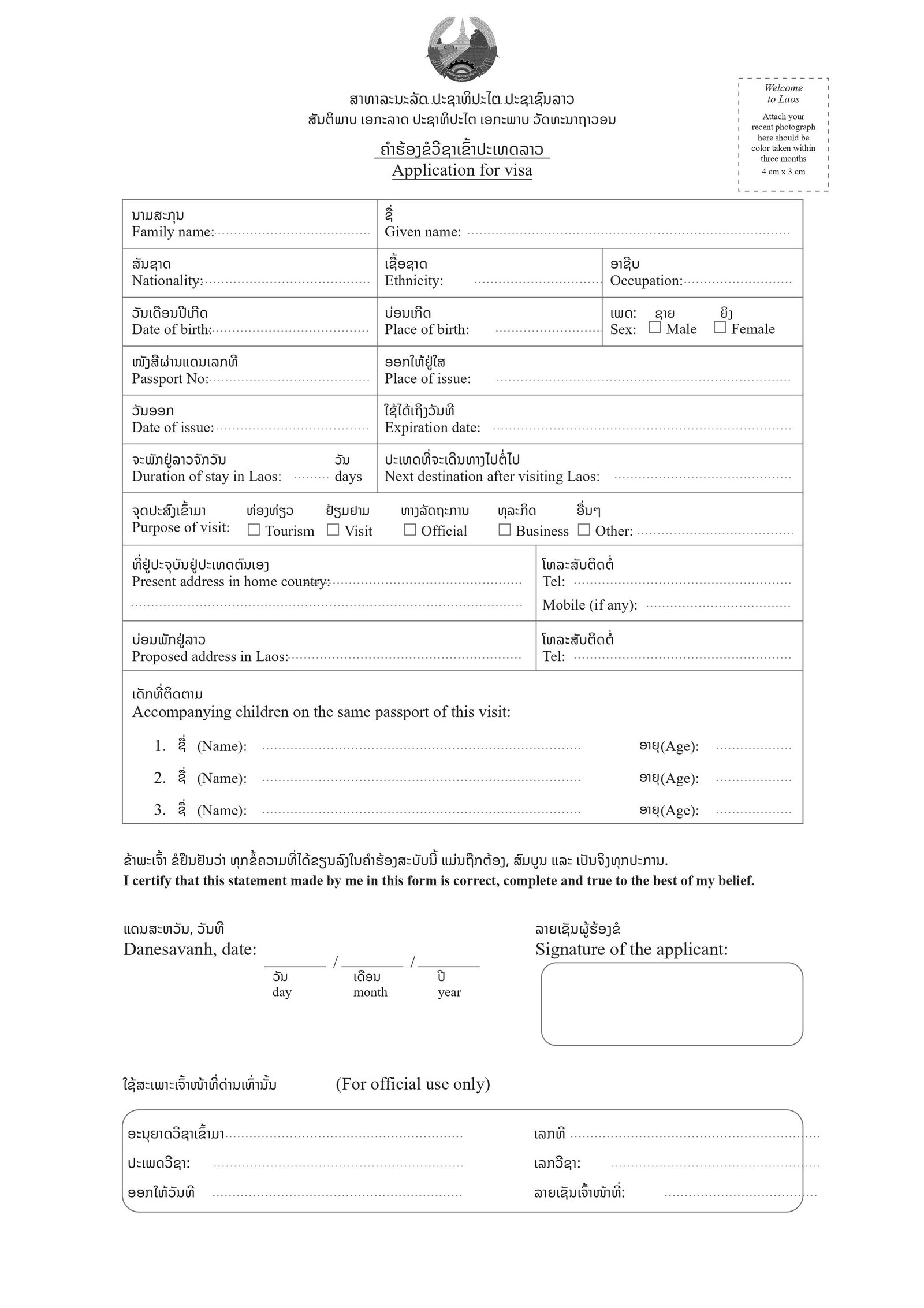
If you need the Laos visa on arrival paperwork, this is the application form used at the border. You can preview it below or download it directly.
Travelers often assume the border itself is the slow part. Usually it is not. The key wait is the period after exit, while the new visa is being handled. That means the biggest timing advantage comes from clean preparation, fast stamp sending, and weekday processing windows.
A typical Da Nang to Lao Bao visa run aims for morning arrival, stamp handling soon after arrival, re-entry in the afternoon, and return to Da Nang later the same day.

Mobile signal near the Lao Bao border can be unstable. Travelers should charge the phone fully before departure, bring a cable and power bank, and be ready to use local Wi-Fi if the mobile connection is weak. Good communication during the stamp and visa stage makes the trip much smoother.
That depends on your nationality and the route handling for your case. Some travelers complete a straightforward border loop, while others need Laos visa on arrival.
Yes, especially for travelers in Central Vietnam, but urgent cases depend on clean document handling and weekday timing.
Yes, but the risk is not the road. The risk is mis-timing the visa process, misunderstanding the border flow, or losing time after exit.
